

Painting and Arts: Transform Your Creative Vision in 2026
Have you ever stood before a canvas, brush in hand, feeling the weight of possibility? The world of painting and arts isn't just about creating beautiful images. It's about communication, emotion, and the profound ways visual expression shapes our understanding of the world around us. Whether you're an aspiring artist or someone who simply appreciates the transformative power of contemporary work, understanding the deeper aspects of this creative field can fundamentally change how you engage with art in 2026.
The Evolution of Painting and Arts in Contemporary Practice
The landscape of painting and arts has shifted dramatically over the past few decades. We're no longer confined to traditional approaches or rigid definitions of what constitutes "proper" artistic expression.
Contemporary artists today work across boundaries that once seemed impenetrable. Abstract painting, for instance, has emerged as one of the most emotionally resonant forms of visual communication. You don't need to depict recognizable objects to convey profound meaning.
Think about it: when was the last time a piece of art made you pause and genuinely feel something? That's the power we're talking about.
Breaking Down Traditional Barriers
Modern painting and arts practice embraces experimentation in ways previous generations might never have imagined. Artists now combine:
Digital techniques with traditional media
Unexpected materials with classical approaches
Cultural influences from across the globe
Personal narrative with universal themes
Humour alongside serious commentary
The Encyclopedia of Aesthetics provides fascinating insights into how philosophical perspectives on art have evolved, helping us understand why contemporary work resonates so differently than historical pieces.
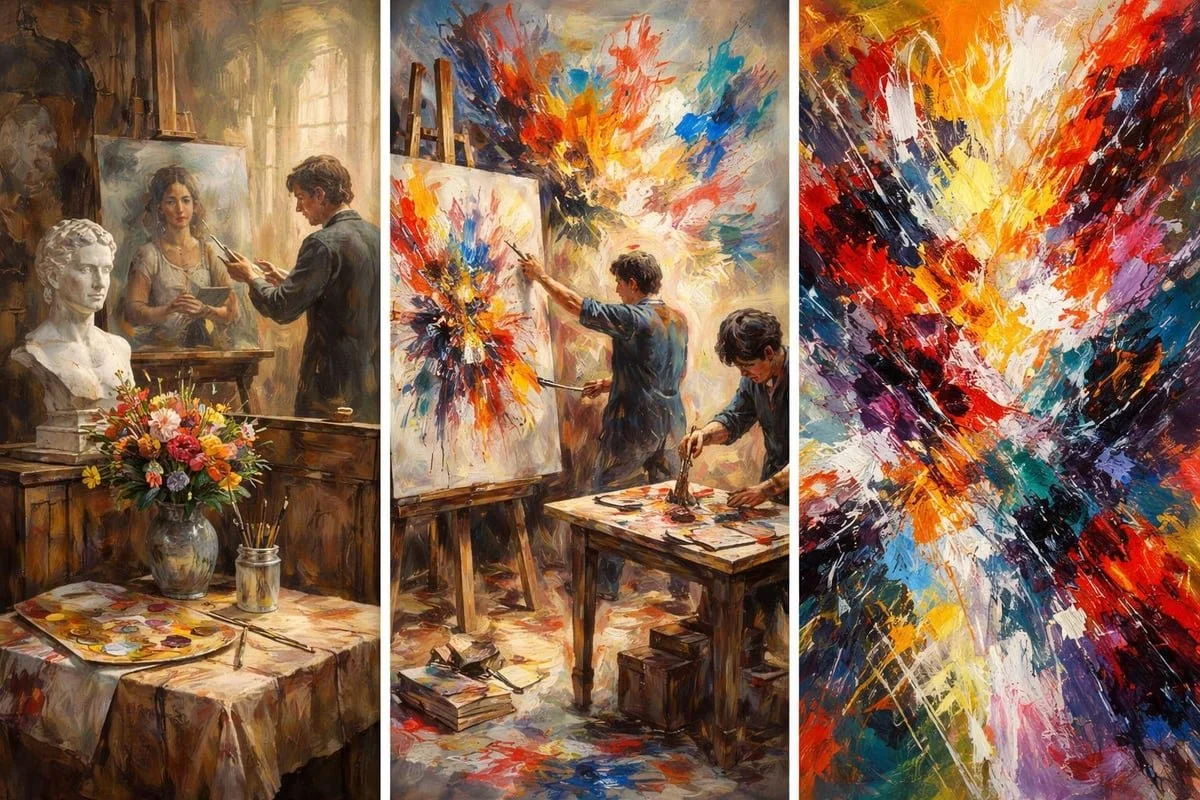
Understanding Colour Theory in Modern Painting
Colour isn't just something you choose because it looks nice. It's a language all its own, capable of communicating emotions that words can't quite capture.
When you're working with painting and arts, understanding how colours interact becomes absolutely crucial. The way blue sits next to orange creates an entirely different emotional response than blue next to green. These aren't arbitrary choices.
Colour Combination Emotional Impact Best Use Cases
Complementary High energy, vibrant Statement pieces, focal points
Analogous Harmonious, calming Cohesive series, meditative work
Triadic Balanced, dynamic Complex narratives, layered meaning
Monochromatic Sophisticated, subtle Minimalist approaches, texture focus
Our comprehensive guide on colour for artists explores these relationships in greater depth, showing you how professional contemporary artists make strategic colour decisions.
The Psychology Behind Colour Choices
You've probably noticed how different spaces make you feel different emotions. That's not accidental. The painting and arts world has long understood that colour profoundly affects human psychology.
Warm colours tend to energize and stimulate, whilst cool colours often calm and soothe. But here's where it gets interesting: context changes everything. A bright red in one composition might feel aggressive, whilst the same red surrounded by softer hues becomes playful or even humorous.
Contemporary artists exploit these nuances deliberately. They're not just slapping paint on canvas. They're orchestrating emotional experiences through calculated colour relationships.
Technical Approaches in Contemporary Abstract Work
Let's talk about technique for a moment. Abstract painting might look spontaneous, but there's often tremendous technical skill underlying what appears effortless.
Layering and Depth Creation
Creating depth in abstract work requires understanding how transparent and opaque layers interact. You build up surfaces gradually, allowing previous layers to influence what comes next.
The process typically follows these stages:
Foundation layer: Establishing overall composition and tonal values
Intermediate development: Adding complexity through contrasting elements
Detail refinement: Introducing focal points and visual interest
Final adjustments: Balancing the overall piece and ensuring cohesion
Working with black deserves special mention. Many artists struggle with it initially, but mastering techniques for painting black opens up remarkable expressive possibilities.
Texture and Surface Quality
Texture adds a physical dimension to painting and arts that photographs can never quite capture. When you stand before an original artwork, you experience not just colour and composition, but the actual tactile quality of the surface.
Different application methods create distinct effects:
Palette knife work: Bold, architectural texture
Brush techniques: From smooth glazes to visible brushstrokes
Mixed media additions: Incorporating unexpected materials
Scraping and removal: Creating history within layers
The specialized art reference sources available through university libraries offer detailed documentation of historical and contemporary techniques, providing valuable context for your own practice.
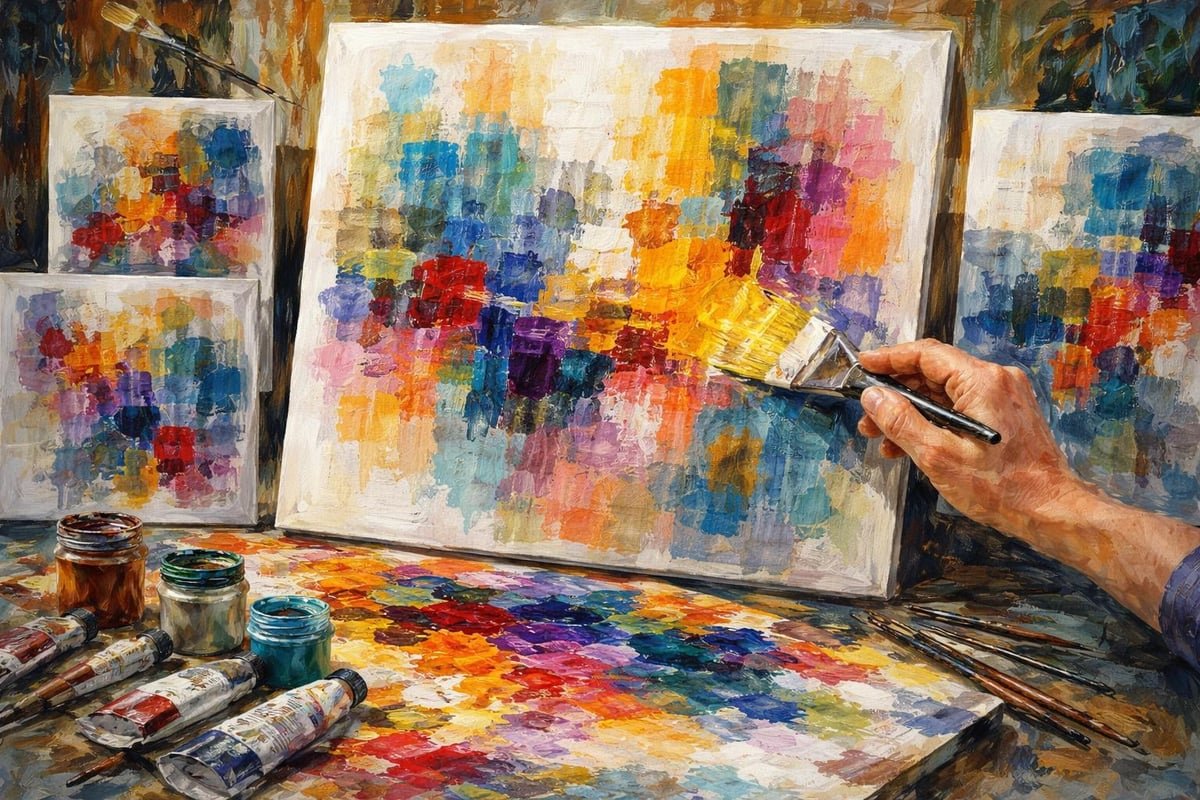
Finding Your Voice in Painting and Arts
This might be the most challenging aspect of any creative practice. How do you develop a distinctive voice when so much has already been done?
The answer isn't about being completely original. It's about authentic expression of your unique perspective. Your experiences, emotions, and way of seeing the world are genuinely yours alone.
The Role of Personal Narrative
Contemporary painting and arts increasingly value personal stories. You don't need to create work that looks like anyone else's. In fact, the most compelling art often emerges from deeply personal places.
Consider how vulnerability in creation leads to connection with viewers. When you put genuine emotion into your work, people respond to that authenticity. They might not know exactly what you were feeling, but they recognize the honesty.
Artists who start later in life often bring rich life experience to their work that younger artists can't yet access. There's no expiry date on creativity.
Experimentation Without Fear
Here's something liberating: not everything you create needs to be a masterpiece. The painting and arts process thrives on experimentation, play, and yes, even failure.
Some of the most interesting contemporary work emerges from happy accidents or unexpected combinations. If you're too precious about every mark, you'll never discover what's possible.
Try setting aside time for pure experimentation:
Work without a specific outcome in mind
Combine techniques you've never paired before
Use colours that make you uncomfortable
Challenge your own assumptions about what works
The Business of Contemporary Painting
Let's address the practical side. Creating art is one thing; making it accessible to others who might connect with it is another entirely.
Pricing Original Work Appropriately
This causes anxiety for many artists. How do you value something that emerged from your own emotional expression?
Consideration Impact on Pricing Typical Approach
Size Larger generally commands higher prices Price per square inch/cm
Complexity More intricate work justifies premium Time investment factor
Materials Quality supplies cost more Pass through + markup
Artist experience Established artists charge more Portfolio and exhibition history
Market demand Popular styles command premium Research comparable sales
The contemporary artwork market in 2026 values authenticity and emotional resonance alongside technical skill. Buyers increasingly seek contemporary artwork for sale that speaks to their personal aesthetic and creates meaningful connections.
Making Art Accessible Through Prints
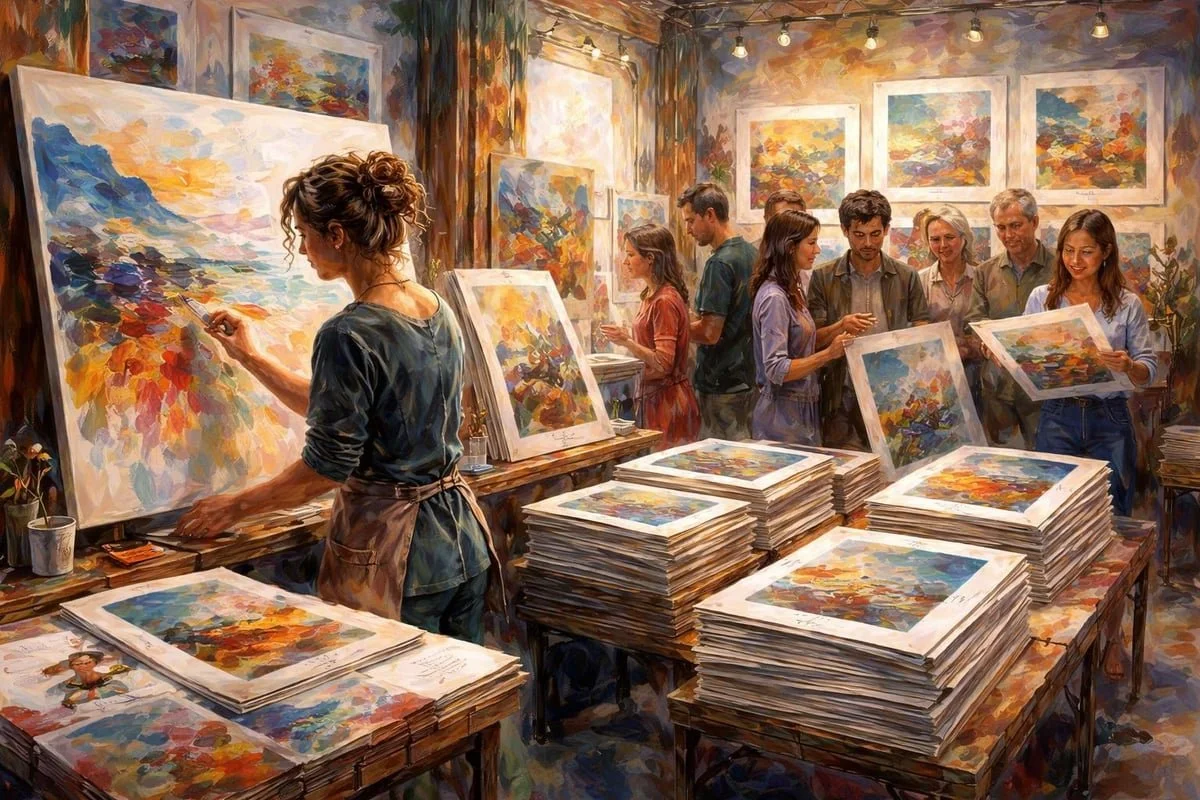
Original paintings naturally have limited availability, but high-quality prints allow broader access to your work. This isn't about cheapening your art. It's about reaching people who connect with your vision but may not have the budget for originals.
Modern printing technology has evolved remarkably. Giclée prints on quality paper or canvas can capture the essence of painting and arts in ways that were impossible even a decade ago.
The Emotional Impact of Visual Art
Why does any of this matter? Because painting and arts serve a fundamental human need for emotional expression and connection.
Art as Communication Beyond Words
Sometimes you feel things you can't articulate. Perhaps you've experienced loss, joy, confusion, or wonder that defies verbal description. Visual art provides an alternative language.
Abstract work particularly excels at this. Without the constraints of literal representation, it can access emotional territories that figurative work might miss. The viewer brings their own experiences to the interpretation, creating a unique dialogue with each piece.
This is why finding your artistic voice matters so profoundly. Your genuine expression creates opportunities for genuine connection.
Challenging Perceptions and Assumptions
Great contemporary painting and arts doesn't just decorate spaces. It challenges viewers to see differently, question assumptions, and engage with unfamiliar perspectives.
Think about how iconic modern art pieces shifted cultural understanding when they first appeared. They weren't always immediately popular, but they expanded what was possible in visual expression.
Creating Cohesive Collections
Once you've developed your voice, how do you build a body of work that feels connected without being repetitive?
Series Development Strategies
Working in series allows you to explore themes thoroughly whilst maintaining fresh perspectives. Each piece investigates a different aspect of your central concept.
Successful series typically share:
Consistent colour palettes or tonal approaches
Related compositional structures
Common emotional territories
Technical approaches or materials
Thematic connections
This doesn't mean every piece looks identical. Rather, they're clearly in conversation with each other. Someone viewing your work should sense the relationships between pieces.
Balancing Consistency with Growth
Here's the tension: collectors and galleries often want recognizable style, but you also need room to evolve. How do you balance these competing demands?
The key is intentional evolution rather than dramatic shifts. Your work can absolutely develop new dimensions without abandoning what makes it distinctively yours. The journey through colour and emotional expression exemplifies how artists can explore new territories whilst maintaining their core identity.
Display and Environment Considerations
Creating compelling painting and arts is only part of the equation. How and where work is displayed dramatically affects its impact.
Large-Scale Work Versus Intimate Pieces
Scale fundamentally changes how viewers engage with art. Large modern artwork creates immersive experiences that envelop the viewer, whilst smaller pieces invite closer, more intimate examination.
Neither approach is inherently better. They serve different purposes and suit different spaces. Understanding these distinctions helps you create work appropriate for its intended environment.
Large-scale benefits:
Commands attention in expansive spaces
Creates immediate visual impact
Allows for bold, gestural expression
Works well in commercial and public settings
Intimate-scale benefits:
Suits residential and personal spaces
Encourages detailed examination
More accessible price points
Easier to produce and transport
Lighting and Presentation
You've spent hours perfecting your work. Don't undermine it with poor presentation. Proper lighting can make colours sing or fall flat. Natural light changes throughout the day, whilst artificial lighting needs careful consideration.
Contemporary galleries increasingly understand that presentation is part of the artistic experience. Clean, uncluttered spaces allow work to breathe and viewers to focus without distraction.
Building Your Practice Sustainably
Let's talk about longevity in painting and arts. How do you maintain a creative practice over years or decades?
Studio Practice and Routine
Inspiration is wonderful, but routine sustains creative work. Professional artists understand that you can't wait for inspiration to strike. You show up consistently, even when you don't feel particularly inspired.
A sustainable studio practice might include:
Regular working hours, even if brief
Physical space dedicated to creation
Systems for organizing materials and works in progress
Documentation of completed pieces
Ongoing skill development and experimentation
The reality of working in an art studio involves practical considerations alongside creative ones. Managing supplies, maintaining equipment, and organizing your space all support the actual painting and arts creation.
Community and Connection
Creating art can feel isolating, but it needn't be. Connecting with other artists, whether locally or online, provides support, feedback, and accountability.
Consider how sharing your creative journey creates opportunities for connection with both fellow artists and potential collectors. Vulnerability about your process often resonates more deeply than only showing finished work.
The Healing Dimension of Creative Work
We should acknowledge something profound: painting and arts serve therapeutic functions beyond aesthetic pleasure or commercial value.
Creating art processes emotion in ways that purely intellectual approaches can't match. The physical act of painting engages your whole being, body and mind together.
Many artists find that their work helps them understand and integrate difficult experiences. Art as healing and expression isn't just therapy. It's a fundamental human capacity for transformation through creative action.
This doesn't diminish the artistic value of the work. Rather, it recognizes that profound personal significance can coexist with universal aesthetic appeal. The most moving art often emerges from genuine emotional processing.
Painting and arts in 2026 offer extraordinary opportunities for personal expression, emotional connection, and challenging perceptions through visual language. Whether you're creating or collecting, understanding the depth behind contemporary abstract work enriches your entire experience. At Spirit Glow Art®, we believe art should evoke genuine emotion and spark conversation. Our collection of original contemporary paintings and quality prints brings that transformative power into your space. Explore how the right piece might shift your perspective today.