

Contemporary Māori Artists: A 2026 Celebration
The world of contemporary art is experiencing a powerful transformation, and at its heart lies a vibrant community of creators who are reshaping how we understand identity, culture, and storytelling. Contemporary Māori artists are leading a creative revolution that bridges ancestral wisdom with cutting-edge artistic practices, offering perspectives that challenge conventions whilst honouring deep cultural roots. These artists are doing far more than creating beautiful works – they're reclaiming narratives, sparking conversations, and demonstrating that indigenous art is not just relevant but essential to understanding our modern world.
The Cultural Renaissance of Contemporary Māori Art
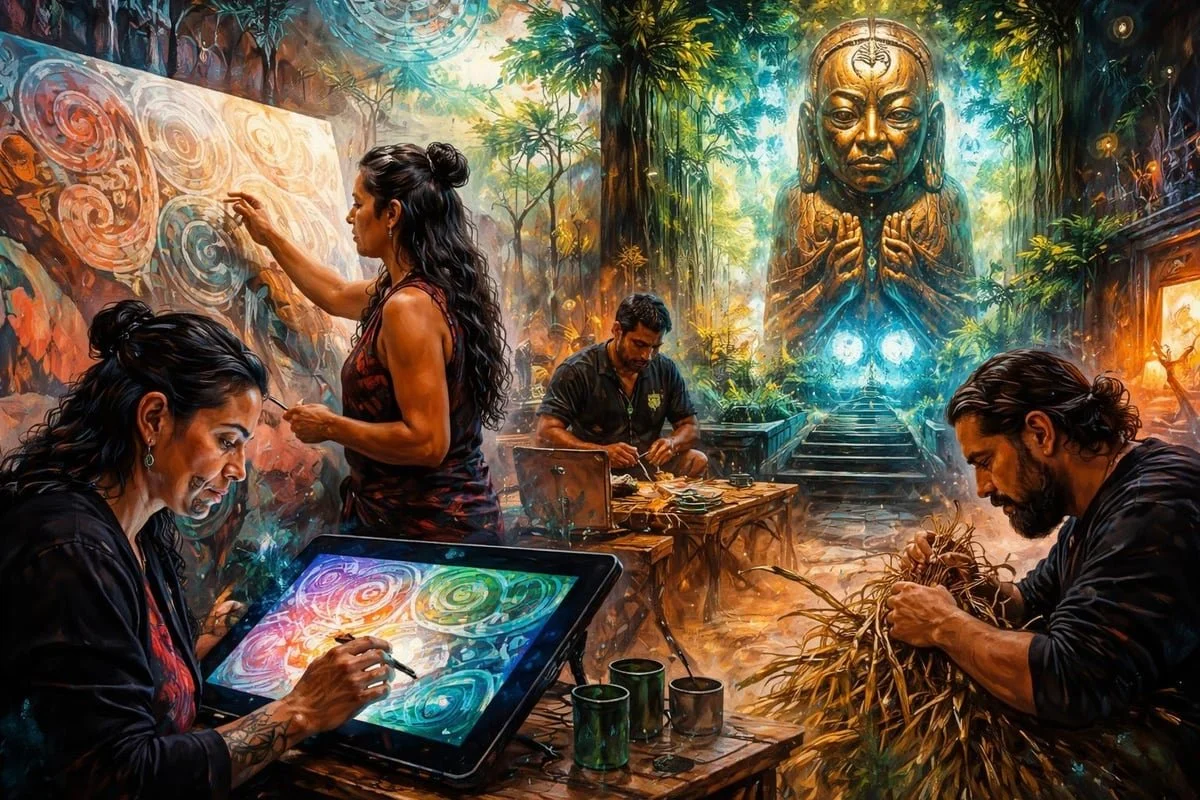
You might be wondering what makes contemporary Māori artists so distinctive in today's global art scene. The answer lies in their unique ability to weave together multiple worlds – traditional Māori concepts like whakapapa (genealogy), mana (prestige), and kaitiakitanga (guardianship) with contemporary mediums ranging from digital installations to abstract paintings.
This isn't about simply adding Māori motifs to modern art. It's about fundamentally rethinking what art can be and do.
Why 2026 Matters for Indigenous Creativity
The landscape for contemporary Māori artists has evolved dramatically. Major exhibitions like Toi Tū Toi Ora, which showcased 111 artists, have proven there's both appetite and respect for work that centres indigenous perspectives. Museums, galleries, and collectors worldwide are recognizing that these artists offer something irreplaceable.
But here's what's really exciting – these creators aren't waiting for validation from traditional art institutions. They're building their own platforms, collaborating internationally, and defining success on their own terms.
Pioneering Voices and Their Impact
Let's talk about some of the artists who are making waves right now. Lisa Reihana's groundbreaking work at the Venice Biennale demonstrated how contemporary Māori artists can command attention on the world's most prestigious stages. Her video installations challenge colonial narratives whilst creating immersive experiences that captivate audiences regardless of their cultural background.
Then there's Rachael Rakena, whose digital media work pushes boundaries in ways that resonate with our technology-saturated era. She's proving that traditional Māori storytelling can be transmitted through pixels and projections just as powerfully as through carving and weaving.
The Academic Artist
Huhana Smith represents another crucial dimension – contemporary Māori artists who balance creative practice with academic rigour. As both painter and curator, she's shaping not just what gets created but how it's understood and contextualized.
Key contributions include:
Challenging Western art historical frameworks
Mentoring emerging Māori artists
Creating scholarship that centres indigenous methodologies
Building bridges between community and gallery spaces
Techniques and Mediums in Contemporary Māori Art
What materials and methods are contemporary Māori artists using? The answer might surprise you with its diversity.
Medium Traditional Elements Contemporary Application
Painting Natural pigments, ancestral symbols Abstract expressionism, mixed media
Digital Art Oral storytelling traditions Video installations, AR experiences
Sculpture Carving techniques, pounamu Industrial materials, conceptual forms
Photography Portraiture traditions Documentary, experimental imaging
Performance Kapa haka, ceremonial practices Contemporary dance, multimedia events
This blend creates work that feels simultaneously ancient and urgently modern. It's similar to how contemporary artwork for sale today reflects diverse influences whilst maintaining distinctive individual voices.
Material Innovation
Contemporary Māori artists aren't precious about what counts as "authentic" materials. You'll find creators working with everything from traditional flax and feathers to electronic components and recycled plastics. The medium serves the message, not the other way round.
Some artists deliberately juxtapose traditional and industrial materials to comment on colonisation, environmental destruction, or cultural resilience. A piece might combine carved wood with steel, or weaving with neon light.
The Role of Storytelling and Narrative
If there's one thread connecting all contemporary Māori artists, it's the centrality of storytelling. But these aren't just any stories – they're narratives that have been suppressed, overlooked, or deliberately erased from mainstream historical accounts.
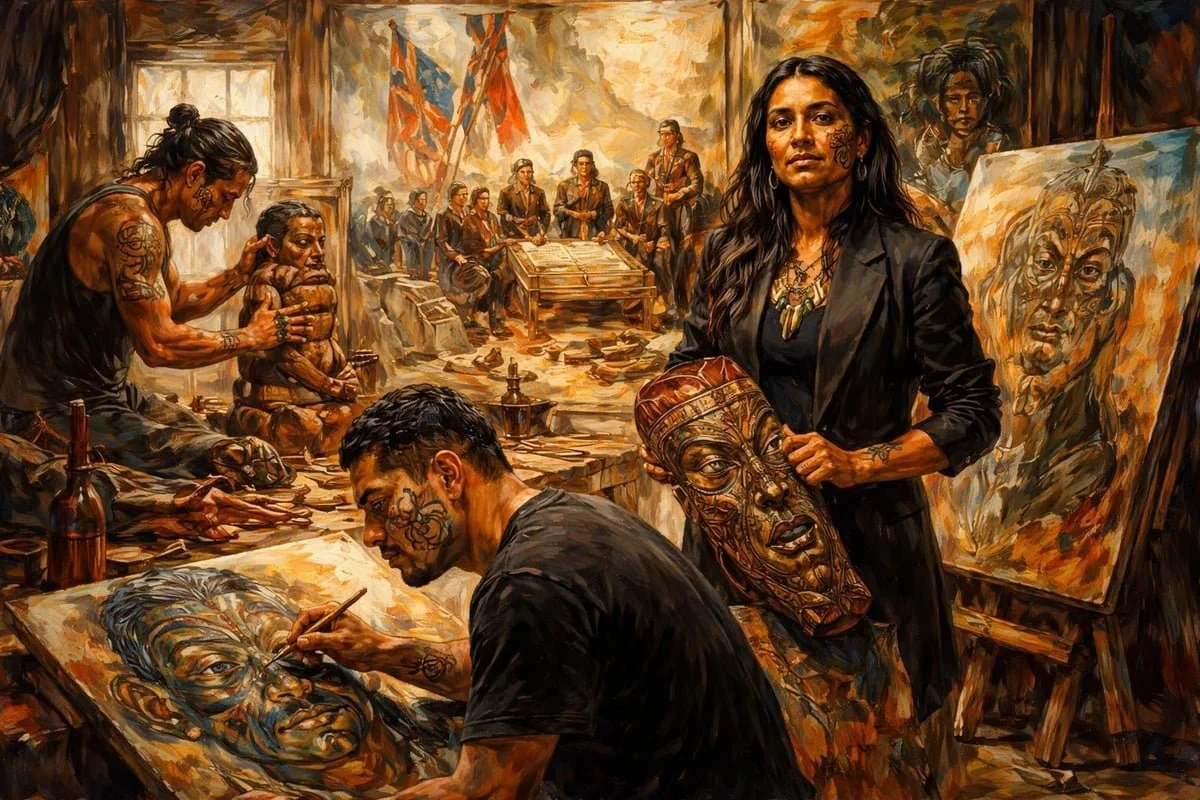
Think about how powerful it is when artists revisit historical narratives from Māori perspectives. Suddenly, events we thought we understood completely look entirely different. The "discovered" become the discoverers. The "subjects" become the authorities.
Humour as Resistance
Here's something that doesn't get discussed enough – many contemporary Māori artists employ humour brilliantly. Satire, irony, and wit become tools for critique that disarm whilst delivering sharp commentary. This approach resonates with how Spirit Glow Art® brings humour to contemporary work, understanding that art can challenge perceptions whilst remaining accessible and engaging.
The Emerging Generation
The artists gaining recognition now are building on decades of groundwork whilst bringing fresh perspectives shaped by their unique experiences. Christchurch City Libraries highlights both established and emerging contemporary Māori artists, demonstrating the depth of talent across generations.
What characterizes emerging artists:
Comfortable with technology and social media as artistic tools
Collaborative rather than competitive approaches
Environmentally conscious themes and practices
Intersectional perspectives on identity
Global outlook whilst remaining locally rooted
These younger creators are digital natives who understand how to build audiences online, create shareable content, and fund projects through alternative means. They're not waiting for gallery representation to start their careers.
Collecting and Supporting Contemporary Māori Art
Perhaps you're wondering how to engage with and support contemporary Māori artists as a collector or enthusiast. The good news is there are more opportunities than ever before.
Where to Find Work
The Aotearoa Art Fair 2026 features contemporary Māori artists prominently, providing direct access to creators and their work. This represents a shift towards indigenous artists receiving equal platform space rather than being relegated to "special" exhibitions.
Online platforms have also democratized access. Artists maintain Instagram accounts, sell through their websites, and participate in virtual exhibitions. This means you can discover and acquire work regardless of your location.
Acquisition Method Advantages Considerations
Direct from artist Personal connection, fair pricing Limited selection, no intermediary support
Gallery representation Curated selection, established provenance Higher prices, commission structure
Art fairs Wide variety, competitive pricing Time-limited, requires travel
Online platforms Convenience, global access Cannot see work in person first
Ethical Collecting
When you're considering purchasing work by contemporary Māori artists, think beyond just aesthetics. Are you supporting living artists? Does the transaction respect cultural protocols? Have you taken time to understand what you're acquiring?
Some pieces may carry cultural significance that requires specific care or display considerations. Engaging with this thoughtfully shows respect for both artist and culture.
The Intersection with Abstract Art
You might notice that many contemporary Māori artists work in abstract or semi-abstract styles. This isn't a departure from cultural authenticity – it's an expansion of how Māori concepts can be visualized.
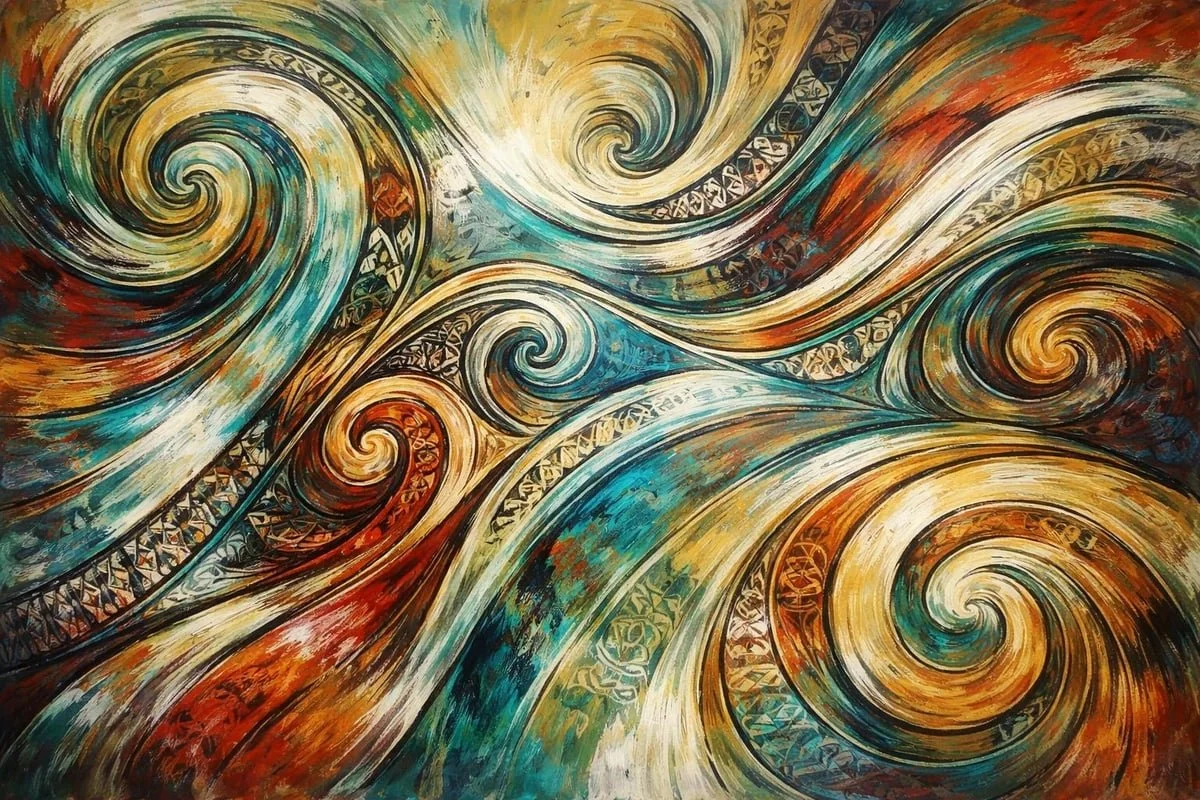
Traditional Māori art already contains abstract elements – the koru spiral, the geometry of tukutuku panels, the stylization of carved figures. Contemporary artists are extending these tendencies, sometimes removing representational elements entirely to focus on essence, energy, and emotion.
This approach aligns beautifully with how abstract paintings evoke emotions through colour, form, and composition rather than literal depiction. The result is work that speaks across cultural boundaries whilst remaining deeply rooted in specific traditions.
Colour Symbolism
Colour carries particular significance in Māori culture, and contemporary Māori artists often draw on traditional colour associations whilst also subverting them. Red might reference both ancestral connections and contemporary violence. White could speak to purity or erasure. Black encompasses both the physical (te kore) and the potential (te pō).
These layered meanings create richness that rewards sustained attention. A piece that seems simple at first glance reveals complexity as you understand its cultural references.
The Global Conversation
Contemporary Māori artists aren't working in isolation – they're part of global indigenous art movements and broader contemporary art dialogues. Their work appears in biennales, major museum collections, and prestigious galleries worldwide.
What's particularly exciting is how these artists maintain cultural specificity whilst engaging universal themes. A work might be deeply Māori in its conceptual foundation yet speak to anyone who's experienced displacement, environmental grief, or the complexity of identity in our globalized world.
Influence and Exchange
The influence flows both ways. International contemporary art has certainly shaped how contemporary Māori artists work. But increasingly, Māori artistic approaches are influencing global contemporary practice – particularly around sustainability, community engagement, and decolonial methodologies.
This mutual exchange enriches everyone. It's similar to how painting and arts transform creative vision through cross-pollination of ideas and techniques.
Challenges and Opportunities
Let's be honest – despite increasing recognition, contemporary Māori artists still face significant obstacles. Underrepresentation in major collections, pricing disparities, and tokenism remain issues. Some artists struggle with the pressure to either be "authentically traditional" or "universally contemporary," as if these are mutually exclusive.
Current challenges include:
Limited funding for indigenous-led projects
Cultural appropriation of Māori artistic elements
Pressure to educate non-Māori audiences
Balancing commercial success with cultural integrity
Geographic isolation from major art markets
But here's the thing – these challenges are spurring innovation. Contemporary Māori artists are creating alternative economies, building their own institutions, and defining success in ways that honour their values rather than solely pursuing Western art world validation.
The Exhibition Landscape
Major exhibitions have played a crucial role in elevating contemporary Māori artists. The 'Toi Tū Toi Ora' exhibition demonstrated both the vitality and diversity of Māori contemporary practice, presenting work that ranged from traditional carving to experimental digital installations.
Te Papa's publications profiling contemporary Māori artists provide invaluable insights into creative processes and inspirations. These resources help audiences understand the depth behind the work, moving beyond surface appreciation to genuine engagement.
Creating Your Own Exhibition Experience
You don't need to visit New Zealand to engage with contemporary Māori artists' work. Virtual exhibitions, artist websites, and social media provide unprecedented access. However, if you do have the opportunity to see pieces in person, take it – the physical presence of artworks often reveals subtleties invisible in reproduction.
Building Your Collection
If you're considering acquiring work by contemporary Māori artists, approach it as a journey rather than a transaction. Start by educating yourself – read artist statements, watch interviews, understand the cultural context. This knowledge will deepen your appreciation and guide your choices.
Consider starting with prints or smaller works before investing in major pieces. Many contemporary Māori artists offer limited edition prints that maintain affordability whilst still being authentic artworks. This approach is similar to how successful artwork shops often build audiences through accessible entry points.
Building a meaningful collection:
Research artists whose work resonates with you personally
Attend exhibitions and fairs when possible
Follow artists on social media to understand their practice
Consider commissioning work for a personal connection
Document provenance and artist information carefully
Display work respectfully, considering cultural protocols
The Future of Contemporary Māori Art
Where are contemporary Māori artists headed? If current trajectories continue, we'll see even greater international recognition, expanded use of emerging technologies, and deeper engagement with environmental and social justice themes.
Younger artists are increasingly collaborative, working across disciplines and cultures whilst maintaining cultural integrity. They're unafraid to experiment with forms like performance art, bio-art, and AI-generated work, asking how these contemporary tools can serve Māori storytelling.
The conversation around indigenous art is shifting from "representation" to "leadership." Contemporary Māori artists aren't seeking seats at existing tables – they're building their own tables and inviting others to join them.
Contemporary Māori artists are demonstrating that cultural specificity and global relevance aren't contradictory – they're complementary. Their work reminds us that the most powerful art challenges our perceptions whilst evoking genuine emotion, exactly what contemporary art should achieve. If you're drawn to work that combines cultural depth with innovative expression, Spirit Glow Art® offers contemporary pieces designed to evoke emotions and challenge perceptions through abstract forms and bold creative vision. Explore how contemporary art can transform your space and perspective today.