

Painting Arts: A Complete Guide to Expression in 2026
Have you ever stood in front of a painting and felt something shift inside you? That's the magic of painting arts. It's not just about brushstrokes and colour theory, though those elements matter tremendously. Painting arts represents one of humanity's oldest and most profound forms of communication, a visual language that transcends words and speaks directly to our emotions. Whether you're drawn to bold abstract compositions or delicate representational work, understanding the depth and breadth of this medium can transform how you create, appreciate, and connect with art in 2026.
The Foundations That Shape Painting Arts Today
Let's talk about what makes painting arts such a powerful medium. At its core, this discipline combines technical skill with emotional intelligence. You're working with pigments, surfaces, and tools, but you're also channelling feelings, ideas, and perspectives that words simply can't capture.
The history and evolution of painting spans thousands of years, yet the medium remains remarkably relevant today. Think about that for a moment. Cave paintings from prehistoric times used similar principles we apply now: composition, colour, and the desire to communicate experience.
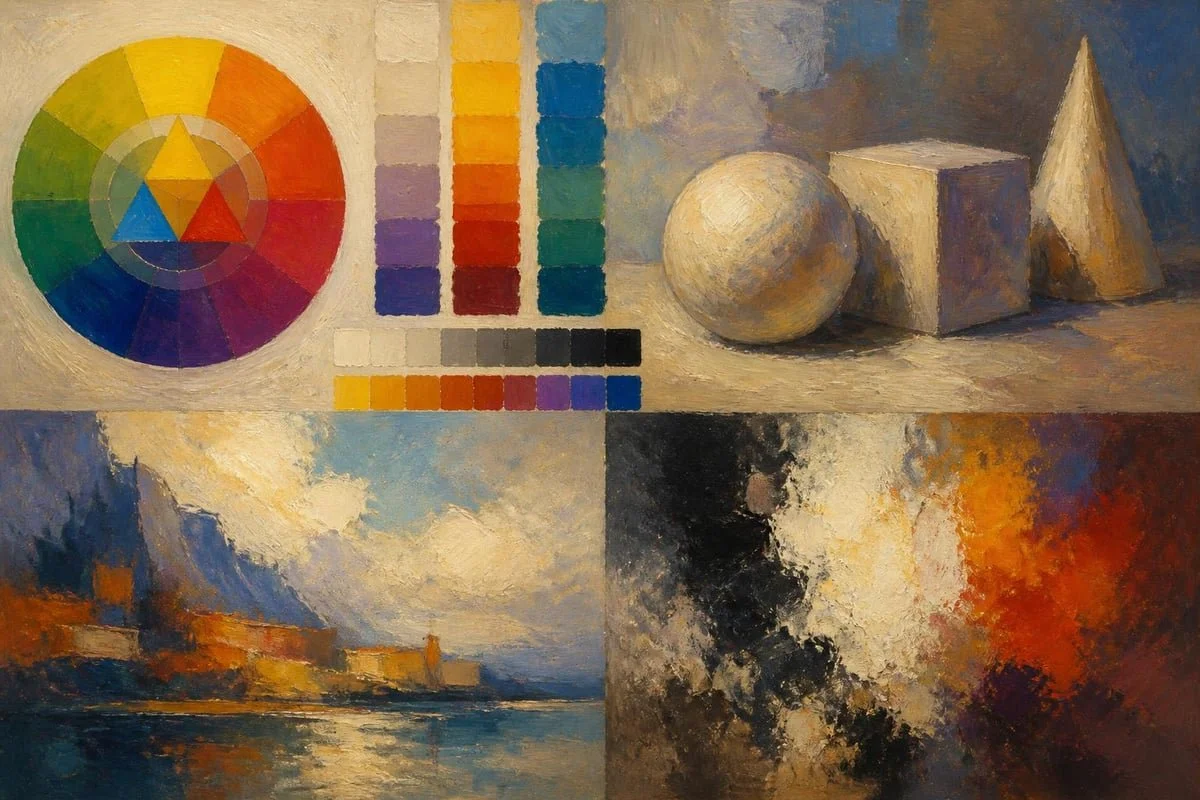
Essential Elements Every Artist Should Know
When you're working in painting arts, several fundamental elements come into play:
Colour theory: Understanding how hues interact, contrast, and harmonise
Composition: The arrangement of visual elements within your canvas
Texture: The physical or visual surface quality of your work
Value: The relationship between light and dark areas
Brushwork: The distinctive way you apply paint to surface
These aren't just academic concepts. They're the building blocks that allow you to express exactly what you're feeling in the moment of creation.
Contemporary Approaches to Traditional Techniques
Here's where things get interesting. Painting arts in 2026 isn't about choosing between traditional and modern approaches. It's about understanding both and finding your own voice within that spectrum.
Traditional oil painting techniques still hold tremendous value. The slow drying time allows for blending and reworking that you simply can't achieve with faster mediums. Acrylics, on the other hand, offer flexibility and quick execution that suits the pace of contemporary creation.
Mediums and Their Unique Characteristics
Medium Drying Time Texture Options Best For
Oil Days to weeks Rich, buildable layers Detailed work, blending
Acrylic Minutes to hours Versatile, water-based Quick execution, experiments
Watercolour Very fast Transparent, flowing Spontaneous expression
Gouache Fast Opaque, matte finish Flat colour areas, illustration
Different mediums serve different purposes. When you're exploring painting arts, don't feel pressured to master everything at once. Choose what resonates with your creative vision and expand from there.
The beauty of contemporary painting arts lies in its inclusiveness. You can mix mediums, incorporate unexpected materials, or work entirely digitally before transferring concepts to canvas. Finding your artistic voice often means experimenting across boundaries rather than staying within rigid categories.
The Emotional Language of Painting Arts
Why do certain paintings make you stop in your tracks? It's because skilled artists understand how to tap into universal emotional experiences through visual means. This aspect of painting arts separates decoration from genuine artistic expression.
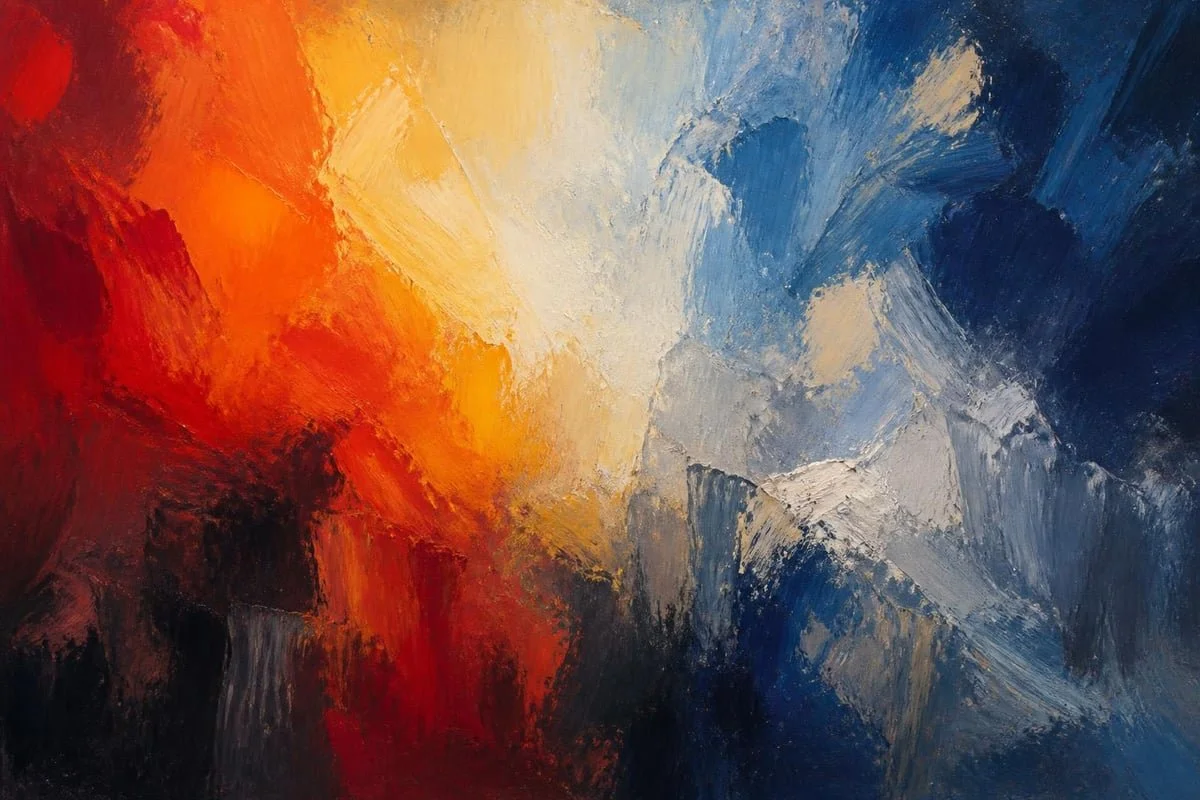
Colour carries tremendous emotional weight. Think about how different hues affect your mood:
Warm colours (reds, oranges, yellows) energise and stimulate
Cool colours (blues, greens, purples) calm and soothe
Neutrals create sophistication or melancholy depending on context
High contrast generates drama and tension
Subtle gradations evoke contemplation and peace
The role of colour in contemporary work extends beyond simple aesthetics. You're making psychological choices every time you select a palette.
Creating Emotional Impact Through Composition
Composition in painting arts works like music. You're creating rhythm, establishing focal points, and guiding the viewer's eye through your piece. Asymmetrical balance creates tension and interest. Symmetry offers stability and calm. Diagonal lines suggest movement and energy.
When you understand these principles, you can deliberately evoke specific responses. Want to create unease? Tilt the horizon line. Seeking harmony? Use the golden ratio. These aren't tricks; they're tools that give you control over your artistic voice.
Building Your Skills and Practice
Let's be honest: painting arts requires dedication. But here's the encouraging part-you don't need to be naturally talented to create meaningful work. You need curiosity, persistence, and a willingness to embrace mistakes as learning opportunities.
A Practical Approach to Skill Development
Start with observational studies: Paint what you see before abstracting
Experiment with limited palettes: Master three colours before using thirty
Work in series: Explore one concept through multiple pieces
Study artists you admire: Understand why their work resonates
Document your progress: Track growth over months and years
The academic resources available for painting arts have expanded tremendously. You have access to techniques, tutorials, and historical context that previous generations could only dream of.
But information alone doesn't make an artist. You need studio time. Regular practice builds muscle memory, develops your eye, and strengthens your intuitive decision-making. Even fifteen minutes daily creates more progress than sporadic marathon sessions.
The Business Side of Painting Arts
Creating art is one thing. Sharing it with the world is another entirely. If you're serious about painting arts as more than a hobby, you need to think about presentation, pricing, and connection with collectors.
Professional presentation matters enormously. Even brilliant work loses impact with poor photography or inadequate framing. Invest in learning how to photograph your pieces properly. Natural light works wonders, but consistency matters more than perfection.
Marketing Your Painting Arts Practice
Building an audience for your work requires strategy:
Maintain consistent online presence across platforms
Share process content, not just finished pieces
Engage authentically with your community
Attend openings and network with other artists
Consider both originals and prints to reach different price points
Running a successful artwork shop involves balancing creative integrity with commercial viability. You're not selling out by making your work accessible. You're expanding your reach and impact.
Abstract Expression in Modern Painting Arts
Abstract painting arts holds a special place in contemporary practice. Without the constraints of representation, you're free to explore pure visual relationships. Colour, form, texture, and gesture become the subjects themselves rather than tools for depicting something else.
Some viewers find abstract work challenging. They ask "what is it?" because they're looking for literal representation. But abstract painting arts communicates on a different level entirely. It bypasses intellectual interpretation and speaks directly to emotion and sensation.
Approaches to Abstract Creation
Approach Characteristics Notable For
Gestural Energetic brushwork, movement Emotional immediacy
Colour field Large areas of flat colour Meditative quality
Geometric Structured forms, hard edges Intellectual engagement
Mixed media Combined materials and techniques Textural interest
Creating compelling abstract work isn't easier than representational painting. It's different. You need strong compositional instincts and colour sensitivity. You're making every decision deliberately rather than relying on reference materials.

Finding Inspiration and Maintaining Creative Flow
Every artist faces creative blocks. It's part of the journey, not a personal failing. When you're stuck, remember that painting arts is as much about showing up as it is about inspiration striking.
Where do ideas come from? Everywhere, if you're paying attention. Nature provides endless colour palettes and compositional lessons. Music suggests rhythm and mood. Personal experiences offer emotional depth. Even mundane daily activities can spark unexpected visual ideas.
Keep an inspiration journal. Collect colour combinations that resonate. Photograph interesting textures. Sketch compositions you notice in the world around you. This practice trains your eye and provides material when you're feeling empty.
The contemporary art scene offers countless examples of innovative approaches to painting arts. Study what other artists are creating, but don't let it intimidate you. Use it as fuel rather than comparison.
The Role of Experimentation and Risk
Safe painting arts is often boring painting arts. The pieces that truly resonate usually involved some level of risk during creation. Maybe you tried an unexpected colour combination. Perhaps you worked larger than comfortable. You might have incorporated unusual materials or techniques.
Experimentation doesn't mean being reckless with expensive materials. It means staying curious and open to possibilities. Work on cheaper surfaces when testing new ideas. Give yourself permission to create "bad" paintings in service of discovering something new.
Creating a Sustainable Practice
Designate studio space, even if it's just a corner
Establish regular working hours that fit your schedule
Invest in quality materials gradually as budget allows
Balance ambitious projects with smaller experimental pieces
Connect with other artists for support and accountability
Your studio environment significantly impacts your productivity and creativity. Natural light helps, but consistency matters more. Create a space that invites you to work rather than one that feels intimidating.
Understanding Art Historical Context
You don't need an art history degree to create meaningful painting arts, but understanding context enriches your practice. Knowing what came before helps you understand what's possible now. The comprehensive resources available make this easier than ever.
Impressionism challenged academic conventions. Abstract expressionism made the painting itself the subject. Pop art questioned high and low culture distinctions. Each movement built on or reacted against what preceded it. Your work, whether you realize it or not, exists within this ongoing conversation.
Movements That Shaped Contemporary Painting Arts
Impressionism: Capturing light and immediate sensation
Fauvism: Emotional colour use over naturalism
Abstract Expressionism: Spontaneous, subconscious creation
Minimalism: Reduction to essential elements
Neo-Expressionism: Return to figurative emotional work
Understanding these movements doesn't mean copying them. It means recognizing the foundations supporting contemporary practice and making informed choices about where your work fits.
The Physical and Mental Aspects of Creating
Painting arts is physically demanding in ways people don't always recognize. You're standing for hours, making repetitive motions, and maintaining focus. Take care of your body. Stretch regularly. Use ergonomic tools when possible. Take breaks to prevent fatigue and maintain perspective on your work.
The mental demands are equally significant. Creating meaningful work requires vulnerability. You're putting your internal world on display for others to judge. That takes courage. Build resilience by focusing on process over outcome. Each painting is a step in your development, not a final statement on your worth as an artist.
Protect your creative energy. Not every opinion deserves equal weight. Seek feedback from people who understand painting arts and respect your vision. Ignore commenters who don't engage seriously with visual work.
Pricing and Valuing Your Work
This might be the most challenging aspect of painting arts for many creators. How do you price something you've poured yourself into? Start by considering materials, time, and your experience level. Research comparable works in your market. Be consistent in your approach.
Remember that pricing too low devalues the entire field. You're not doing collectors a favour by undercharging. You're suggesting that painting arts doesn't require skill, time, and resources. Price fairly for your current level, and adjust as your reputation and skill develop.
Factors Affecting Price
Factor Impact on Value Considerations
Size Larger typically costs more Material and shipping costs increase
Medium Oil often priced higher than acrylic Reflects material costs and drying time
Complexity Detailed work commands premium Time investment and skill level
Artist reputation Established artists charge more Years of practice and exhibition history
Market demand Popular styles affect pricing Balance commercial appeal with artistic integrity
Understanding contemporary artwork markets helps you position your work appropriately. You're not competing with every artist globally. You're finding your specific audience who resonates with your particular vision.
The Future of Painting Arts in Our Digital Age
Some predicted digital tools would make traditional painting arts obsolete. Instead, we've seen the opposite. Physical paintings hold even more value in our screen-saturated world. There's something irreplaceable about standing before an actual canvas, seeing brushstrokes, experiencing texture, and absorbing the presence of a handmade object.
That said, digital tools enhance rather than replace traditional painting arts. You can plan compositions digitally, test colour schemes, or create reference materials. Some artists work entirely digitally before recreating pieces traditionally. These aren't competing approaches; they're complementary tools in your creative arsenal.
The key is staying true to what draws you to painting arts in the first place. If you love the physical act of mixing paint and applying it to canvas, that authentic passion will show in your finished work. Viewers respond to genuine creative energy, whether they consciously recognize it or not.
Painting arts remains one of the most versatile and emotionally powerful creative mediums available to us in 2026. Whether you're just beginning your journey or looking to deepen your existing practice, the principles we've explored here provide foundation for meaningful expression. At Spirit Glow Art®, we believe contemporary painting arts should evoke emotions, challenge perceptions, and occasionally make you smile-because art that moves you, stays with you. Explore our collection of original abstract works and prints to experience how colour, composition, and creative courage come together in pieces designed to transform your space and spark your imagination.